
You have one evening to prepare for a weekend hunt, and the forecast has changed: a mild, wet start may give way to a colder, windy afternoon. The key question is not which gear looks most capable, but whether your setup fits the weather, terrain, access route, legal requirements and your ability to move safely. Treating these factors as one connected problem leads to quieter, safer and more ethical decisions.
Start with the conditions you can verify
Before choosing clothing, optics or a pack, separate confirmed information from assumptions. Check the latest forecast for the hunting area, including wind direction and strength, precipitation, visibility, ground conditions and the timing of weather changes. These factors may affect travel and animal movement, but none guarantees an encounter or justifies a marginal shot.
For a weekend hunter, a wet trail may matter more than a light shower. A route that is comfortable in dry weather can become slippery, noisy or difficult to leave after dark. Wind may make treestand use, glassing from exposed ground or crossing open terrain less suitable. If conditions deteriorate, shorten the route, change the access point or stay out.
Check the forecast again shortly before departure. Forecast tools do not replace local judgment or official warnings.
Match the setup to the route, not the fantasy
Choose a setup based on the distance from the vehicle to the hunting position and the ground between them. A lightweight arrangement may suit a long walk, while a more sheltered or stationary plan may allow extra layers, water and navigation equipment. The right choice is what you can carry, operate and pack away without rushing.
Consider three practical questions:
– Can you reach the position without crossing unsafe ground or disturbing sensitive habitat?
– Can you remain warm, dry and hydrated for the time you expect to be outside?
– Can you leave promptly if weather, fatigue, injury or visibility becomes a problem?
A familiar property can create false confidence. Check whether a gate, trail, water crossing or boundary has changed since your last visit. Confirm permission and access arrangements, and tell a reliable person where you will be and when you expect to return.
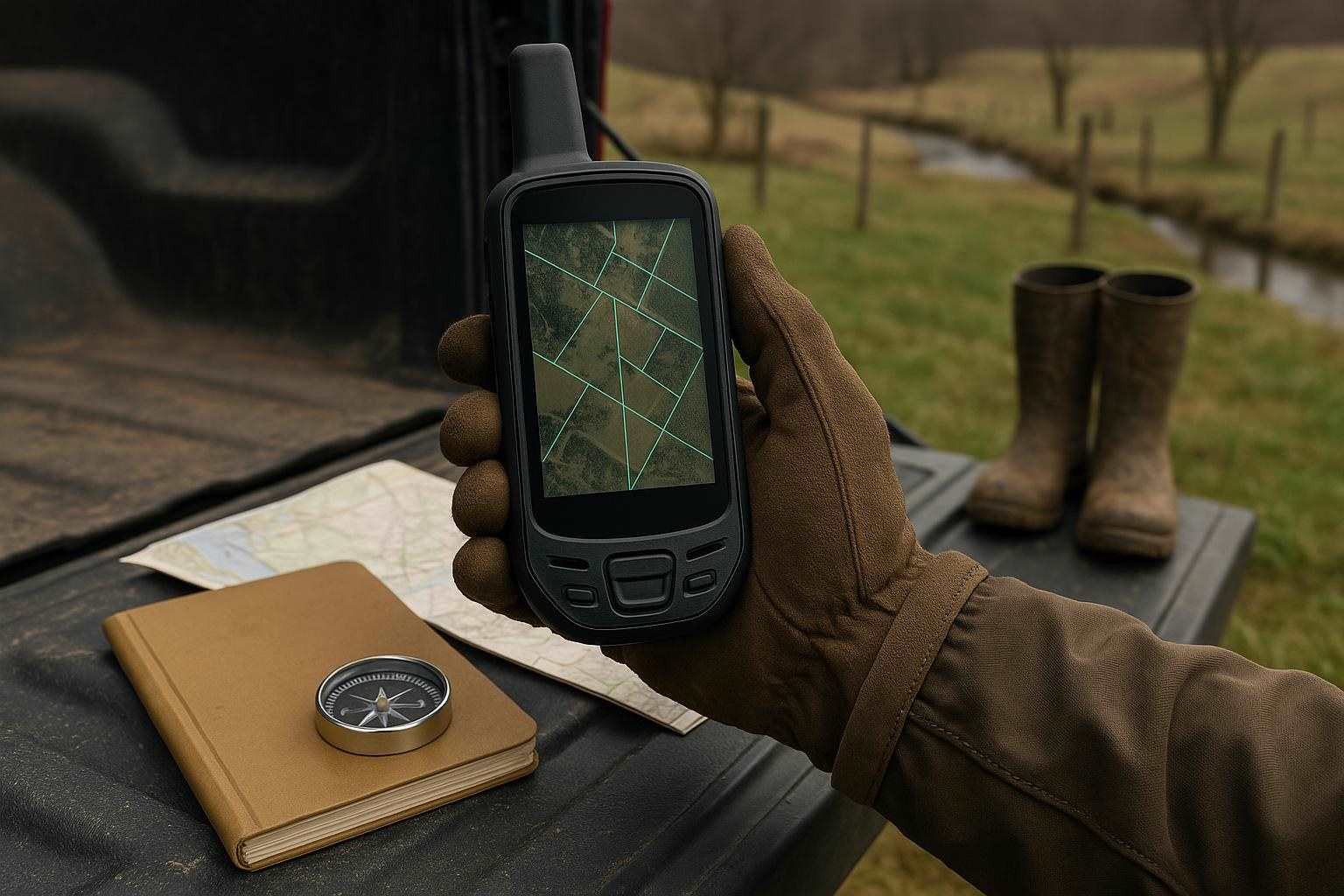
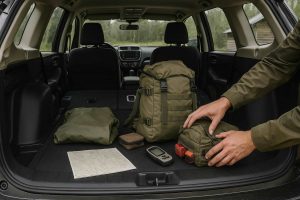
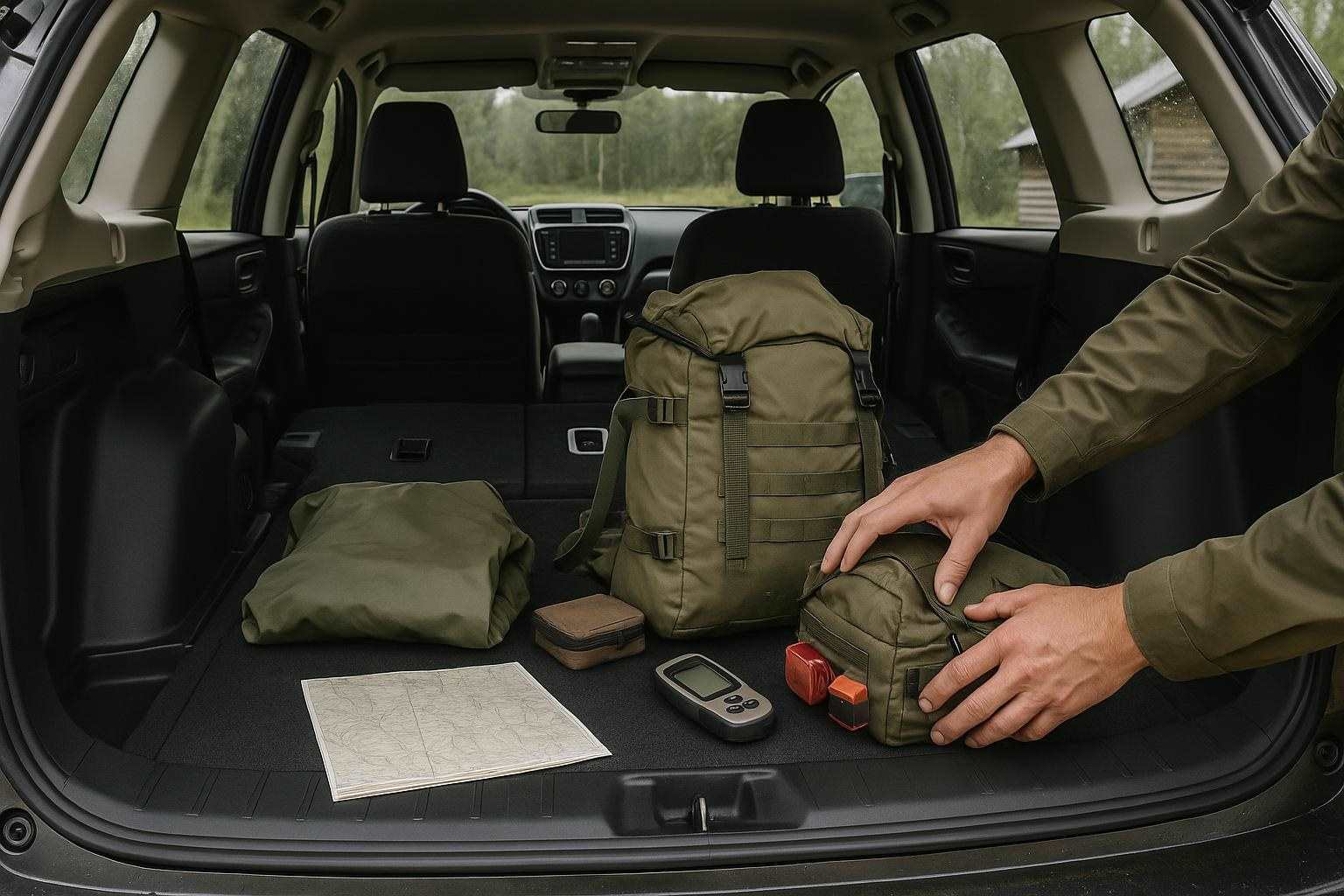
Navigation tools, a charged communication device, suitable layers, eye protection, a small first-aid kit and enough water may matter more than another specialized accessory. Test the arrangement at home: adjust the pack, handle equipment with gloves if necessary, and ensure nothing catches on brush or interferes with safe movement.
Let terrain and habitat shape your choices
Reading conditions also means reading the land. Wet ground, fallen timber, steep slopes and dense cover affect how quietly and safely you can move, while some areas may be vulnerable to damage. Avoid creating trails through fragile areas, trampling stream edges or driving where the surface cannot support a vehicle.
A route that seems efficient on a map may cut through bedding cover, nesting areas or a restoration project. Use established access where appropriate, respect signs and boundaries, and keep conservation in view. Ethical hunting includes leaving the land able to support wildlife and other users after you leave.
Wind and visibility can influence your approach, but they do not remove the need for restraint. If your position requires unsafe movement, an uncertain target background or a shot beyond your practiced ability, do not force the situation. Passing on an opportunity is sound field judgment, not a failure of preparation.
Confirm the rules before the trip
Regulations can determine the entire setup. Season dates, legal hunting hours, licensing, permissions, species restrictions, tagging or reporting procedures, equipment rules and area closures may differ by jurisdiction and change over time. Check current information from the relevant official wildlife or land-management authority before every trip. Do not rely on a previous season's notes, social media or an old printed summary.
Make the check specific to your plan. If you are changing areas, confirm that your license and permits apply there. If you are using a different method or a special access area, verify that it is legal for that season and location. Know how to identify the lawful target and what lies beyond it before settling into position.
Keep required documents accessible and learn reporting steps in advance. Regulations protect wildlife populations, clarify access and help maintain public trust in hunting.
Use a short decision check before leaving
A compact checklist can expose a weak plan before it becomes a field problem:
– Conditions: Have I checked the latest weather, warnings, daylight and ground conditions?
– Route: Do I know the access path, boundaries, exit route and likely hazards?
– Equipment: Can I carry, use and secure everything safely in the expected conditions?
– Legality: Are my license, permissions, season, method and area rules current?
– Identification: Can I make a positive target identification with a safe background?
– Welfare: Have I told someone my plan, and can I communicate or leave if needed?
– Stewardship: Will my route and actions avoid unnecessary damage to habitat and property?
If one answer is uncertain, resolve it before departure or revise the plan. A later start, shorter walk or different location may be the more responsible choice.
Treat changing conditions as a reason to reassess
Preparation does not end at the access point. Recheck wind, visibility, temperature, fatigue and trail conditions as the day develops. Numb hands, wet clothing, uncertain navigation or a route out that takes longer than expected are decision signals.
The same applies to the hunt's ethical boundary. A legal opportunity still requires a safe, identifiable and responsible choice. If conditions no longer support that standard, stop, unload or secure equipment according to its instructions, and leave without trying to salvage the day.
The most useful setup is not a fixed list of products. It is a plan that responds to real conditions, current rules, personal limits and the needs of the land. Preparing this way makes the trip more predictable, protects wildlife and habitat, and gives you a clear basis for changing course when the field tells you to.