

Navigating Ethical Hunting: Essential Boundary Awareness
Before venturing into the wild hunting requires boundaries regarding where hunting can occur. Relying on maps or outdated permissions can turn a well‑intentioned hunting trip into trespass. Taking time to understand property lines and permission details protects hunting from problems and promotes ethical hunting.
Establishing Permission: What You Need to Know
Getting permission is more, than a talk with the landowner. Hunting must have information about the property. Hunting must know parcel boundaries hunting season dates allowed species and any restrictions tied to hunting access. For example a landowner might allow deer hunting. Forbid waterfowl hunting, vehicle entry or trail cameras.
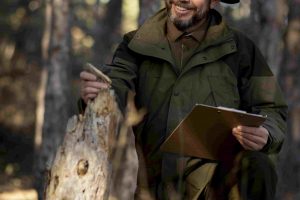
Written records are invaluable because memory can fail, especially when hunting parcels or fields. Hunting must keep a record that lists property details, authorized hunters, dates and specific access conditions. Hunting must store this information offline to use when signals fail. If hunting is unclear where permission ends hunting must not assume; hunting must seek clarification.
Gathering Boundary Insights from Multiple Sources
Hunting should consult two resources before heading out. A current parcel map helps,. Hunting must know that it may not include changes such as new leases, easements or boundary agreements. Hunting must also watch markers; an old fence may not show the boundary and trails can lead hunting into other ownership lines.
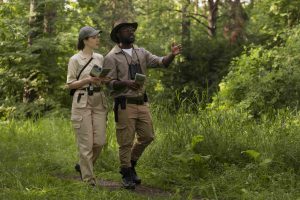
When planning a hunt hunting should compare what the landowner says with a map and visible landscape features such as roads, creeks, hedgerows or gates. Hunting should treat these landmarks as guides not as proof. If hunting sees a difference between the map and the ground hunting must reconfirm with the landowner or manager.
Navigating areas where public and private lands mix requires awareness. Remote access routes or isolated wetlands can change who may enter areas. Hunting must mark parking and approach routes carefully. Must avoid trespassing on properties even if a shortcut looks good.
Relying on Technology: A Cautionary Approach
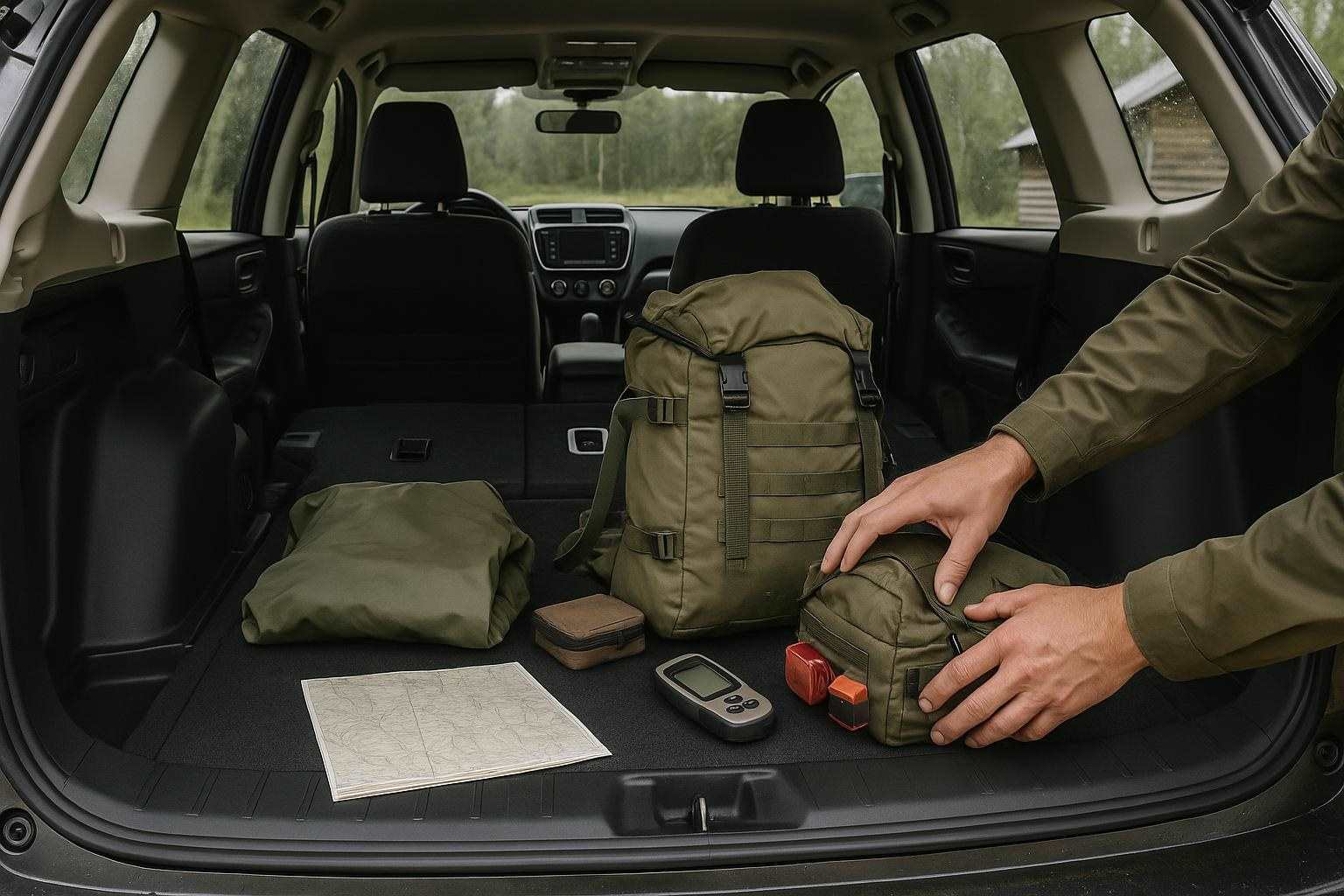
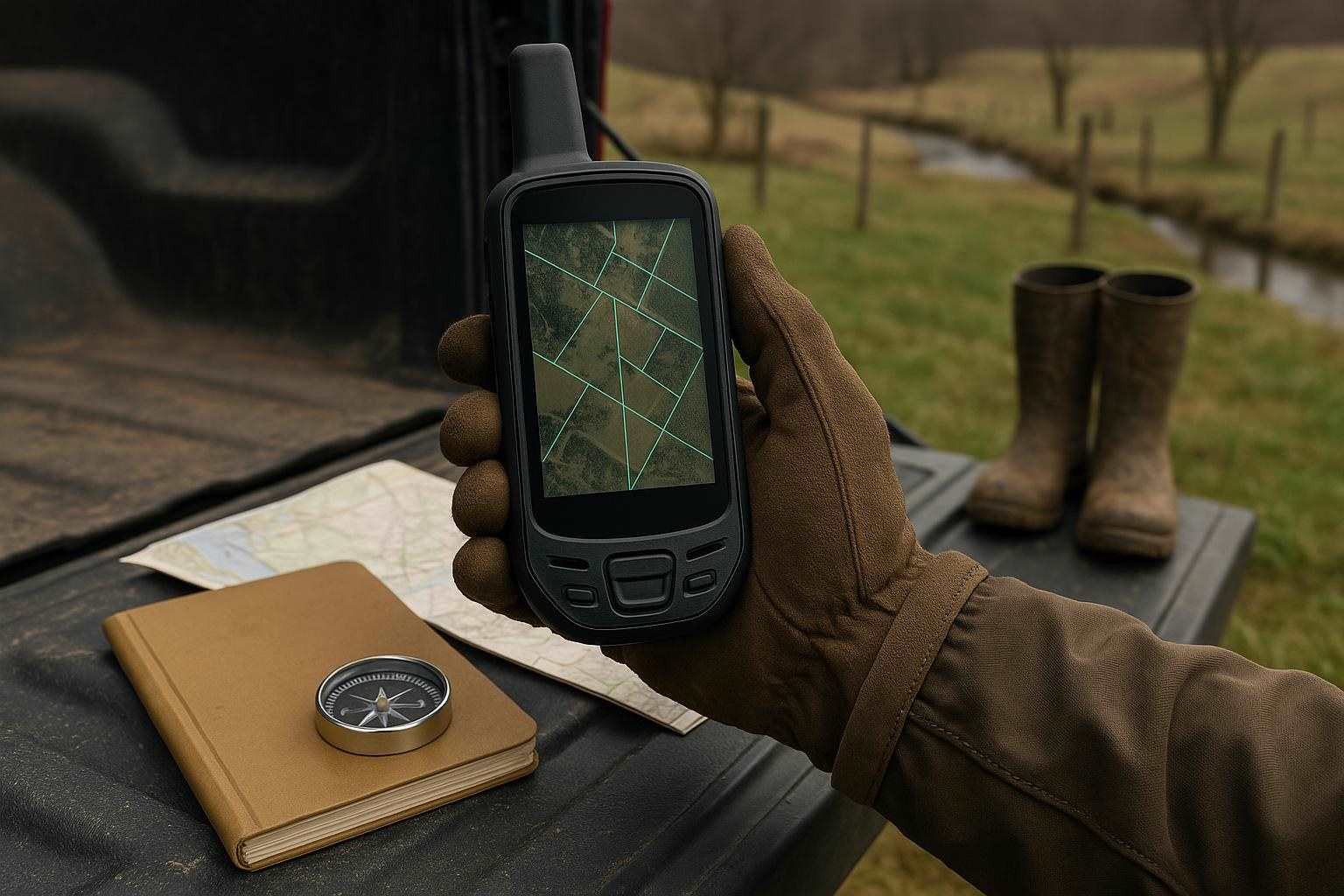
Smartphones and handheld GPS units can help confirm location. Their accuracy can vary. Before a trip hunting should download maps double‑check parcel overlays. Should carry a paper map as backup.
Hunting must not rely blindly on GPS signals in cover because technology can fail. Reception may lag ownership data may be old. Devices may lose power. Hunting must verify position against landmarks. Must not move forward if hunting is uncertain about location.
Marking waypoints with tape can help navigation. Hunting must respect the land. Hunting must never modify trees, cut vegetation or change the landscape without the landowners consent.
Staying Informed About Changes
Before heading out hunting must review the regulations and updates from land managers. Hunting must look for closures updated hunting seasons, weapon restrictions, permit needs or road access rules. Hunting must understand that regulations can change during the season and that earlier sources, media posts can become outdated.
Weather can strongly affect hunting access causing closures or unsafe conditions like flooding or fires. A locked gate shows restricted access; hunting should respect that boundary of bypassing it. If hunting faces access information hunting should err on caution. Follow the latest directives.
Minimizing Impact on the Land
Understanding boundaries should guide hunting movement. How hunting approaches a trip. Hunting must stay on designated routes keep vehicles off ground and protect vegetation. If hunting meets hunters or land users hunting should be courteous. Give space instead of encroaching.
Hunting must consider the implications of a shot. If tracking an animal could bring hunting into a neighboring property or restricted area hunting might be wiser to skip the shot or secure permission first. Ethical hunting requires foresight, about recovery routes and their legality.
Close gates as instructed. Take care to leave no trace of your presence. Report any issues, like downed wires to the landowner. Refrain from sharing access details without permission.
Pre-Hunt Checklist: Last-Minute Checks
Before you plunge into the hunt take a moment to verify the following:
– Confirm parcel details, permission status and any access restrictions.
– Review regulations and any notices of closure.
– Ensure maps are downloaded and a backup is accessible.
– Identify parking and entry points avoiding neighboring properties.
– Anticipate potential animal recovery routes and their legality.
– Leave all gates, fences and natural features intact as you found them.
If you find yourself uncertain, about any detail it is better to pause and clarify. Taking time for these checks may delay your start. It is a price compared to the repercussions of trespassing or mismanagement. Responsible hunting truly begins before you step into the field; it starts with an understanding of whose land you are entering and respecting the boundaries set to protect it.